

 English
 US

News
Feb 13, 2026
Royal Birkdale Renovation
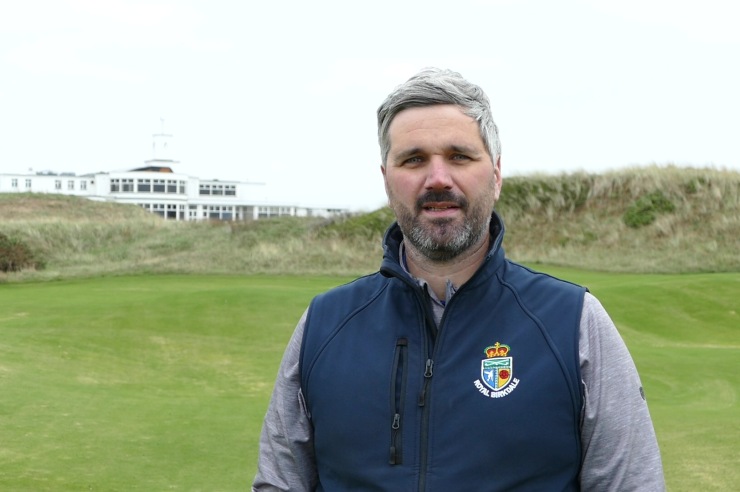
We caught up with Sean McLean, Course Manager at Royal Birkdale Golf Club. This was their maintenance week, and the course was partially closed to...
Published 14th August 2026 News
Surface sealing is caused by fine soil particles, thatch, or organic debris capping the surface and blocking water and air from passing through.
It gets worse in summer because heat speeds up organic matter breakdown while heavy rain compacts the loosened surface into a cap.
Left untreated, surface sealing causes standing water, weaker rooting, and increased disease pressure.
Prevention requires aeration equipment (sarel rollers, spikers, corers), sand top-dressing, rolling, and regular brushing.
A routine prevention programme costs less, in time and money, than renovating a capped surface later in the season.
You might already be seeing your turf surfaces suffering from summer stress, and be wondering what you can do to help alleviate it. Hard surfaces, parched grass, and ineffective irrigation are all a part of this.
The usual cause is surface sealing: a capped layer that stops water and air passing through, and one that builds quietly through spring before catching turf out in summer heat, or heavy rain.
GreenTek has been working with UK turf managers since 1969, and designs aeration, top-dressing, and rolling equipment. Surface sealing is one of the problems that this equipment is built specifically to solve.
Preventing it comes down to three things: understanding why it happens, running the right aeration and top-dressing routine, and matching equipment to your soil type. This article covers all three.
Surface sealing is when dust, fine soil particles, thatch, or organic debris cap the turf surface and stop water and air passing through.
It builds gradually from compaction, poor drainage, and organic matter accumulation, and it's often invisible until water starts sitting on top.
Fine particles wash down during rain or irrigation and settle into the surface pores, blocking the exchange of water, oxygen, and carbon dioxide with the soil below.
Your turf behaves differently once the surface seals. Roots stay shallow, and the surface underfoot turns soft and disease-prone.
Surface sealing accelerates in summer because heat speeds up organic matter breakdown while heavy rain compacts the loosened surface into a cap. Warm temperatures encourage microbial activity, breaking down thatch faster than in cooler months.
Intense summer downpours then wash these particles into the surface pores, sealing them shut within days. A single heavy storm after a dry spell can undo weeks of aeration work, which is why you can see problems appear suddenly in July and August, even on turf that looked fine in spring.
Left untreated, surface sealing stops water from irrigation and rainfall penetrating the soil, leading to standing water, weaker rooting, and increased disease pressure.
|
Symptom |
Cause |
Consequence |
|
Standing water after rain |
Capped surface blocks infiltration |
Softer, slower playing surface |
|
Shallow, weak roots |
Poor gas exchange below the cap |
Turf under stress in dry spells |
|
Increased disease pressure |
Moisture sitting at the surface |
Higher fungicide and repair costs |
|
Reduced playability |
Combination of the above |
Member or player complaints |
These effects compound through summer, increasing renovation costs later in the season. Addressing the cause early keeps the fix simple; catching it late means recovery work instead of routine maintenance.
Aeration, sand top-dressing, vibratory rolling, and brushing each solve a different part of the surface sealing problem. Other manufacturers make similar categories of equipment, but here's how GreenTek's range covers each one:
|
Method |
What it does |
Best used |
|
Aeration (spiking, coring) |
Punches through the sealed layer to restore infiltration |
Routine relief through the growing season |
|
Sand top-dressing |
Dilutes fine particles and organic matter at the surface |
After aeration, to rebuild surface structure |
|
Vibratory rolling |
Settles top-dressing into the surface without lowering cut height |
2–4 times a week, often instead of a mow |
|
Brushing / switching |
Disperses dew, moisture, and debris before they cap the surface |
Daily or several times a week in summer |
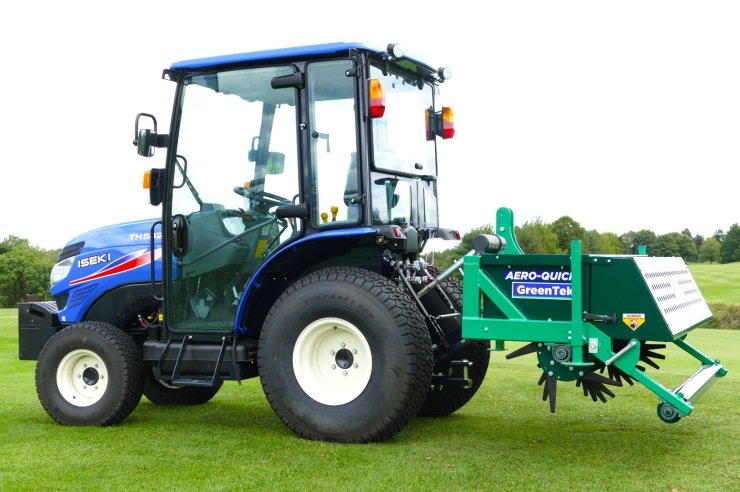
Sarel rollers: Cassettes (GreenTek Thatch-Away), a 1.6m tractor-mounted unit, or the wider 5.4m Multi-Sarel.
Corers and Spikers: Dyna-Corer units can be used with solid or hollow tines to relieve surface sealing and compaction in the top 25mm. The Dyna-Spiker units has a vibro-spiking action which drives its spikes deeper to break up compaction and fracture the capped layer.
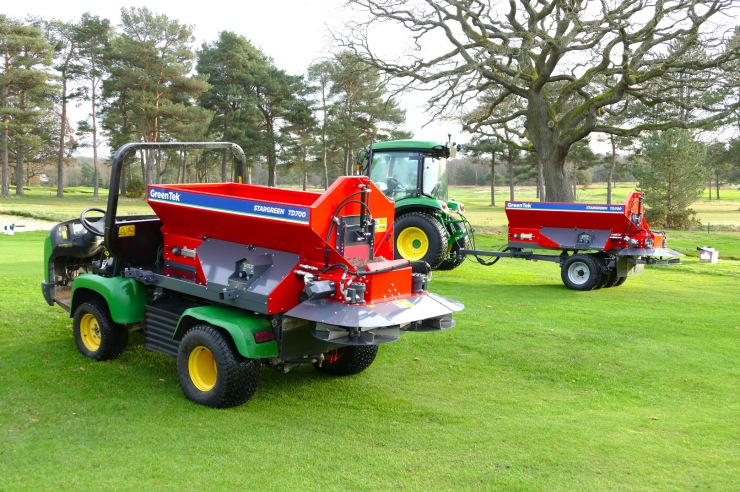
Sand top dressers: A consistent light topdressing programme keeps the surface porous and greatly reduces the tendency to seal.
Vibratory rollers: GreenTek's Dyna-Roller and Select-A-Vibe settle top-dressing into the surface and help to maintain faster green speeds without lowering the height of the cut.
Brushes and switches: Disperse dew, moisture, and debris before they settle and seal the surface.
Rolling two to four times a week, often instead of a mow, helps to maintain green speeds, whilst giving stressed turf a break from daily mowing (research from the University of Nebraska, Michigan State University, and the USGA supports this frequency range).
A consistent routine of aerating, top-dressing, brushing, and monitoring keeps surface sealing from taking hold.
Aerate on a fixed schedule: Sarel roll for regular relief; spike or core deeper when compaction builds.
Top-dress after aeration: Apply sand while channels are open so it works into the profile, not on top.
Brush or switch regularly: Disperse dew and debris daily during warm, humid spells.
Monitor after heavy rain: Check for standing water and bring the next aeration pass forward.
Skipping any one step leaves a gap the others can't cover. The programme works because each stage targets a different cause, not because any single treatment does the whole job.
Preventing surface sealing through routine aeration and top-dressing costs less, in time and money, than renovating a capped surface later in the season. Routine prevention is a planned, predictable cost. Remedial work after sealing sets in usually means specialist renovation, extended downtime, and in severe cases reseeding.
As a general estimate, correcting severe capping through full renovation can run into several thousand pounds (roughly £3,000–£8,000) in machine hire, materials, and lost use. This is indicative, not a quoted price, and will vary by site.
Budgeting for prevention also makes the case easier to put to a committee or budget holder, because the cost is known in advance rather than an emergency spend.
Dust, fine soil particles, thatch, and organic debris cap the surface and block water and air. It builds gradually and usually shows up first as standing water.
Most turf benefits from light sarel rolling every one to two weeks in the growing season, with deeper spiking or coring several times a year depending on soil and traffic.
Yes. Aeration followed by top-dressing usually restores infiltration within one growing season.
No. Heavier, clay-based soils seal faster than free-draining sandy profiles.
Watch for water sitting longer than usual after rain, a spongy feel underfoot, and gradually softening playing conditions.
Surface sealing doesn't have to catch your turf out every summer. Once you know it's caused by capped, compacted surfaces blocking water and air, the fix is straightforward: aeration, top-dressing, and brushing, built into your seasonal calendar.
Getting that routine right now, before the heaviest rain arrives, keeps the surface open through the months that matter most. GreenTek's range of aeration, top-dressing, and rolling equipment supports exactly this kind of programme, on golf courses and sports grounds alike.
Walk your site after the next heavy rain and note where water sits longest.
Book aeration and top-dressing into your maintenance calendar before peak summer heat.
Increase brushing frequency during warm, humid spells.
Talk to your local dealer about which aeration equipment suits your soil type.
About GreenTek: GreenTek designs and manufactures turf maintenance equipment and has been working with golf courses and sports grounds since 1969, supplying aeration, top-dressing, and surface management machinery to greenkeepers and grounds managers across the UK through its dealer network.

All products come with a 5 Year Warranty, so you don’t have to worry about breakdowns and repairs.

We guarantee our equipment will do exactly what we claim, or we'll uplift it and refund you 100% in full, right up to 12 months after purchase!

All products with this logo have been built in Britain.

 Request a Hat/Cap